
Facts on EDITORIAL REVIEW
Article series
Swedish Gambling HistoryPart 1 of 4
Selling the dream
Sweden, 1890s–1949: how public-benefit arguments and state control shaped the foundations of modern gambling.
Swedish gambling did not become legitimate through one great advertising campaign. Its early development involved a more complicated bargain: allow selected forms of gambling, control who could provide them, and direct proceeds towards purposes regarded as socially useful. The mass advertising familiar to later generations belongs mainly to a later period.
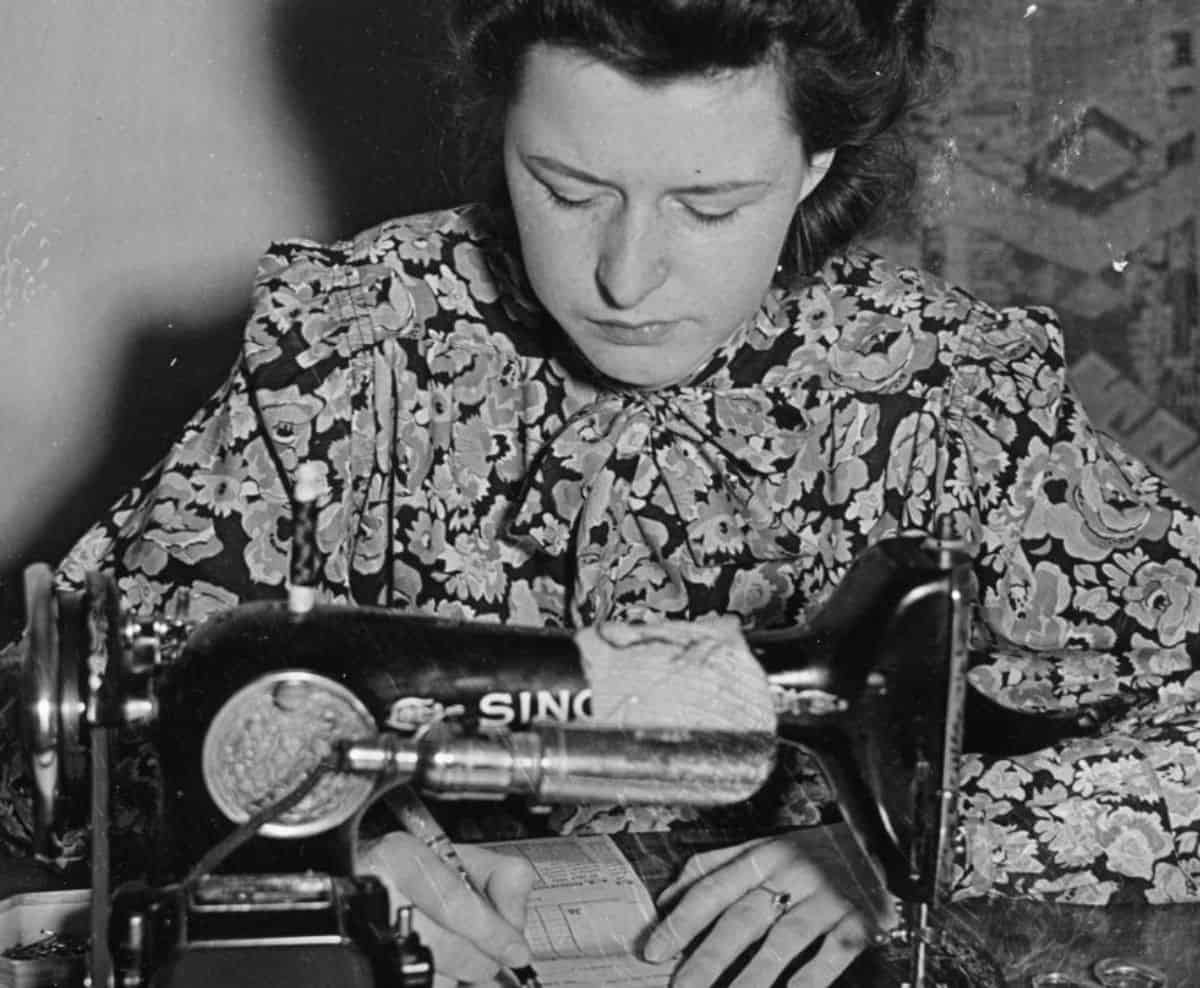
Swedish Gambling History, Source: Svenska Spel

Bellmanlotteriet, launched in 1971. This later archive illustration is outside the period covered by this article. Source: Svenska Spel.
Setting the Scene: Sweden, 1890s–1949
The early story concerns institutions as much as images. Svenska Spel’s historical chronology records the separate origins and later changes in ownership of Penninglotteriet and Tipstjänst. They did not begin as a single state-owned company.
These distinctions matter when reading historical publicity. A lottery’s connection to a public cause, its legal permission to operate and its ownership are separate questions. None, by itself, establishes how widely it advertised or how people responded.
Key Dates
- 1897: Penninglotteriet is established.
- 1934: Tipstjänst begins.
- 1939: Penninglotteriet comes under state ownership.
- 1943: the state takes a majority shareholding in Tipstjänst. Source: Svenska Spel.
This chronology concerns the development of the Swedish operators. It should not be read as evidence that all Nordic countries adopted the same institutions or advertising strategy at the same time.

Tipset advertising poster from the Svenska Spel archive. The exact date has not been established; it is reproduced as an illustration, not evidence of pre-1950 campaigns.
Before the Era of Mass Advertising
The surviving imagery can suggest familiarity and routine, but that is different from demonstrating a nationwide policy of intensive promotion. In his 2005 report for the Swedish National Institute of Public Health, Per Binde places the major expansion of gambling advertising much later: promotion was generally discouraged before 1970, attitudes changed during the 1970s, and Lotto’s arrival in 1980 marked a commercial turning point. See the report’s English summary and historical chapter.
That chronology changes the interpretation of the early period. A familiar product may gain legitimacy through availability, lawful status, sport and public-benefit arguments without the advertising saturation associated with the late twentieth century.
What Can the Images Tell Us?
A photograph or advertisement is evidence of a particular representation, rather than a survey of public opinion. Domestic scenes may invite readers to see gambling as ordinary. Establishing that they caused widespread acceptance would require a dated collection of campaigns and evidence about audiences.
For the same reason, a later poster cannot establish how gambling was promoted before 1949. The archive illustrations reproduced here are identified separately from the period covered by the narrative.
Public Benefit and the Meaning of Revenue
The funding argument deserves attention, but it also requires careful accounting. Ticket sales, stakes, prizes, operating surplus and transfers to beneficiaries are different measures. A large sales figure cannot be presented as the amount available to finance public services.
This article does not assign a total to gambling’s contribution to the pre-1950 welfare state. Doing so would require contemporaneous accounts and a clear definition of the operators and income streams included.
Regulated Alternatives and Existing Demand
Svenska Spel’s account of Stryktipset describes Tipstjänst as a regulated response to football pools that had already become popular outside legal channels. It also links the product’s early proceeds to Swedish sport. The company’s retrospective is useful evidence of its institutional history, while its claims about social value should be read as the operator’s own account.
The analytical question is therefore broader than whether publicity was persuasive: how did the state distinguish acceptable gambling from gambling it sought to restrain?
The Nordic Comparison
Nordic gambling history did not start with twentieth-century football pools. Cultural historian Johanne Slettvoll Kristiansen traces state-operated Lotto in Sweden and Denmark–Norway to 1771, and describes the recurring tension between public revenue and social harm. Her historical account concerns an earlier period; it cannot substantiate claims about a particular Swedish campaign in the 1930s.
Norway offers another distinct chronology: Norsk Tipping was founded in 1946 and held its first round in March 1948. Source: Norsk Tipping.
Conclusion: Legitimacy Before Saturation
The foundations of modern Swedish gambling lie in a negotiated relationship between permission, ownership, public benefit and demand. Mass advertising later changed the scale and character of that relationship. Keeping those stages separate gives a clearer account of what changed—and prevents the familiar imagery of later decades from being projected backwards.
Sources and editorial correction
- Svenska Spel — historical chronology
- Per Binde (2005), Att sälja en dröm — English summary and chapter 2
- Johanne Slettvoll Kristiansen (2024), Scandinavian Lotto in historical perspective
- Norsk Tipping — company history
Correction — 14 October 2026: We corrected the chronology of ownership and advertising, removed quotations and financial claims that could not be substantiated, clarified the dates of archive illustrations, and replaced malformed source links. The previous text overstated the evidence for intensive state gambling advertising before 1950. The earlier timeline graphic has been replaced with sourced dates.